Trying to decide between Brookside and Midtown in Tulsa? You are not alone. Both areas deliver central-city convenience and strong neighborhood character, but the day-to-day feel is different on each block. In this guide, you will see how the housing, walkability, amenities, and market dynamics compare so you can match your priorities to the right streets. Let’s dive in.
How we define Midtown
For this guide, “Midtown” refers to the established residential neighborhoods north and northeast of Brookside. That includes Maple Ridge, the Cherry Street area, streets around Utica Square, and adjacent historic blocks stretching toward downtown. These areas feature tree-lined streets, a mix of early 20th-century homes, and pockets of low-density multifamily near commercial nodes. Brookside itself centers on South Peoria Avenue roughly from 41st to 51st Streets and the immediately surrounding residential blocks.
Neighborhood character and homes
Brookside basics
Brookside feels like an entertainment corridor with restaurants, bars, coffee, and boutiques clustered along South Peoria. The homes just off the corridor are typically smaller bungalows, Craftsman styles, modest Tudors, and cottages on compact lots. You will also find newer townhomes and small multifamily buildings closer to Peoria. The tradeoff is clear: higher walkability and nightlife access in exchange for less privacy and smaller footprints.
Midtown basics
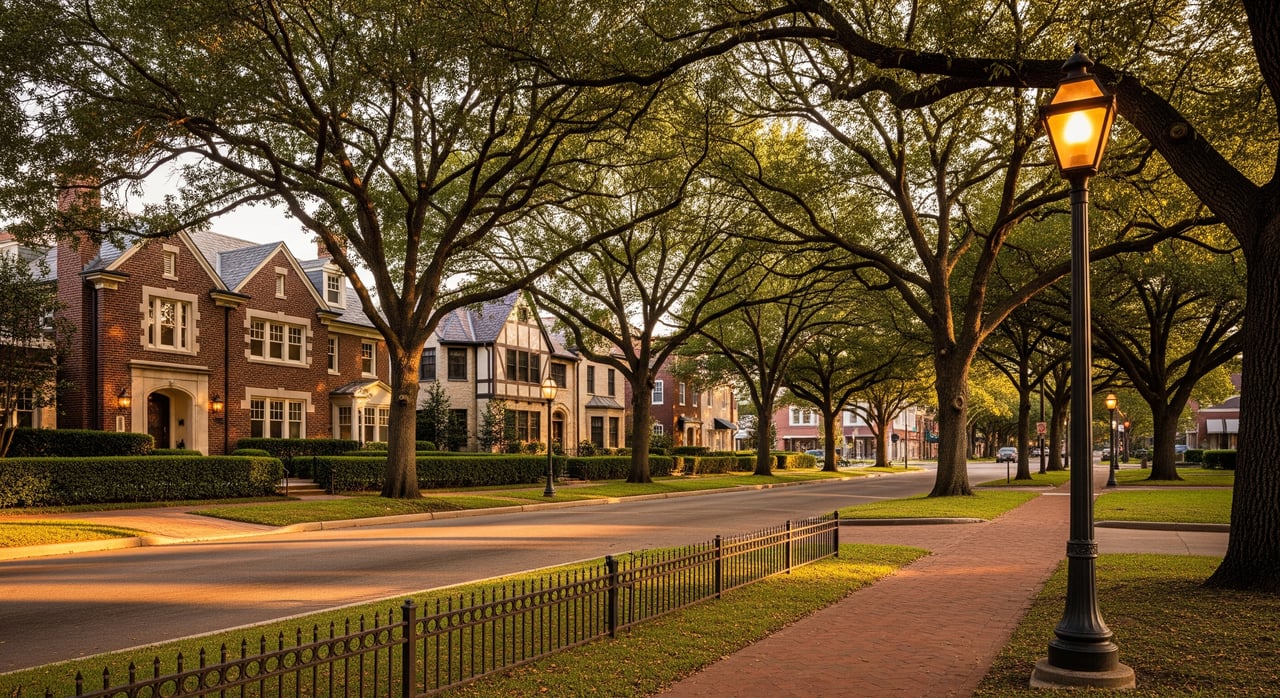
Midtown’s character is more residential and dispersed. Cherry Street and Utica Square offer walkable dining and shopping, but many homes sit on quieter blocks set back from commercial activity. Housing types range widely, from larger historic homes and period revival styles in Maple Ridge to mid-century houses and occasional infill builds. Lots tend to be larger on average than the blocks tight to Brookside’s core.
Age, renovation, and rules
- Most homes in both areas date to the early to mid-1900s, with later infill and renovations scattered throughout.
- Renovation quality varies block by block. You will see turnkey remodels next to properties ready for updates.
- Some Midtown streets are located in historic-preservation overlays that guide exterior changes. Confirm whether a target address is in a district before planning renovations.
- New construction and infill townhomes show up more often near the Brookside corridor compared to the deeper Midtown blocks.
Walkability and commute
Walking and biking
- Brookside: Walkability is strongest along South Peoria. The closer you live to the corridor, the more your daily errands can stay on foot. Walkability drops as you move away from Peoria.
- Midtown: Walkability is node-based. Cherry Street and Utica Square are great for a stroll, but many Midtown homes require a short drive or bike ride to reach those destinations.
- Tip: Use address-level tools like Walk Score to compare specific blocks rather than relying on a single neighborhood average.
Transit and parking
- Transit: Tulsa’s bus system serves the main midtown corridors, yet most residents rely on a car for daily travel. Check current Tulsa Transit routes for the streets you are considering.
- Bikeability: You will find bikeable stretches and some lanes or multi-use trails, though connectivity varies by block.
- Parking: Expect heavier evening traffic and tighter street parking near Brookside’s core. Midtown’s residential streets usually offer on-street parking and driveways, but check block conditions at night.
Commute and highways
Both areas sit close to downtown and central job centers like medical campuses. Commute differences are usually modest. Verify drive times from a specific address to your destinations during peak hours using a routing app. Access to major arterials and highways is similar, though the fastest route depends on where you work.
Amenities, lifestyle, and schools
Dining and shopping
- Brookside: Compact, energetic, and social. You will find a high concentration of dining, coffee, and nightlife along South Peoria that stays active into the evening.
- Midtown: Multiple nodes, multiple vibes. Cherry Street’s cafes and boutiques, the shopping at Utica Square, and spots near Maple Ridge offer variety at a slower pace compared to Brookside’s nightlife corridor.
Parks and recreation
Midtown offers notable green spaces, including larger parks and neighborhood-scale greens. Wooded streets, mature trees, and historic landscapes are common in many Midtown pockets. Brookside residents use nearby parks and trails, and you will still have access to central-city recreation within a short drive or bike ride.
Schools and services
Public school assignments vary by block. If schools matter to you, confirm zoning for a specific address using Tulsa Public Schools tools. There are also private and parochial options in or near Midtown and Brookside. For healthcare and family services, Midtown’s broader residential footprint means you can often find pediatric care, childcare, and specialty services nearby, yet make time to verify the exact distance from your target home.
Safety, noise, and livability
Conditions differ from one block to the next. Review Tulsa Police Department crime maps for current data and visit at different times of day to gauge activity and noise. Expect higher nighttime energy and tighter parking next to Brookside’s commercial core. Quieter streets are more common as you move deeper into Midtown. Always check FEMA flood maps and Tulsa County resources for any floodplain or drainage concerns at a specific address.
Market and pricing
Typical inventory and feel
- Brookside: A mix of smaller starter homes, renovated bungalows, townhomes, and small multifamily properties near the corridor. Buyer demand for walkability can be strong. Newer infill shows up more often close to Peoria.
- Midtown: Options range from modest single-family homes to larger, historically significant properties with more yard space. Turnover can be slower on prestige blocks.
How to get current numbers
Instead of static prices, focus on fresh metrics for your short list. Pull the last 12 months of data from Tulsa MLS for each target area: median sale price, median days on market, active inventory, and price per square foot trends. If you want a quick snapshot, look at the last 30 to 90 days for inventory and new listings. Always label the data with the date range and the source.
Buyer cost planning
- Renovations: Many homes need updates. Build a renovation contingency into your budget based on what you see during showings and what your inspector finds.
- Taxes and insurance: Property taxes are administered by Tulsa County. Insurance needs can vary with house age and location, including flood coverage if applicable.
- Financing and resale: Buyers who prioritize walkability often accept smaller square footage near Brookside. Larger historic homes in Midtown can appeal to buyers who value space and architectural character. Your resale plan should match your target audience and location.
Seller and investor notes
- Rental demand: Properties near Brookside, Cherry Street, and other commercial nodes can attract renters and short-term guests. Check city rules for any permits required.
- Historic overlays: In designated areas, exterior changes may need review. Confirm overlay status before listing renovations as value-add features.
- Presentation: In both areas, highlight block-level lifestyle benefits. Walkability in Brookside and architectural character in Midtown can be key selling points.
On-the-ground visit checklist
Use this quick checklist when you tour homes in Brookside or Midtown:
- Visit twice: once during the day and once in the evening.
- Walk a one-block radius and time how long it takes to reach the nearest coffee, grocery, or restaurant.
- Note parking: on-street availability, driveways, and nighttime congestion.
- Scan the street for renovation activity, roof and siding ages, and overall home upkeep.
- Listen for noise from restaurants, bars, or busy roads.
- Confirm school zoning for the address if schools are a priority.
- Check FEMA flood maps and recent permit history through local records.
- Talk to neighbors about traffic, noise, and community meetings.
Decision framework
Start by ranking what matters most to you, then use the guide below to focus your search:
- If you want maximum walkability and an active social scene: Prioritize Brookside streets closer to South Peoria. Expect smaller lots and more evening activity.
- If you want larger homes, more yard space, and quieter blocks: Focus on Midtown neighborhoods set back from commercial nodes.
- If you want a mix: Target the edges. Homes a few blocks off Peoria or a short walk from Cherry Street can strike a balance between access and calm.
- If you want renovation potential: Look for older homes with solid bones in both areas, then factor in historic overlays where applicable.
- If you want faster resale appeal: Compare recent days-on-market and price-per-square-foot trends by micro-area using Tulsa MLS, then align with your likely buyer profile.
Putting it together
Brookside and Midtown both deliver central Tulsa living. Brookside leans energetic and walkable, with compact homes close to the action. Midtown leans residential and historic, with more space and a quieter feel between commercial nodes. Define your top three priorities, tour your favorite blocks twice, and validate your assumptions with fresh market data and an inspection-minded walkthrough.
Ready to narrow your search and see live numbers by street or micro-area? Schedule a free consultation with Howard Grant for a custom, address-level comparison and a plan that matches your budget, timeline, and must-haves.
FAQs
What is the main difference between Brookside and Midtown?
- Brookside concentrates dining and nightlife along South Peoria with smaller nearby homes, while Midtown spreads amenities across nodes like Cherry Street and Utica Square and offers larger lots on quieter streets.
How walkable are these areas for daily errands?
- Brookside is highly walkable near the corridor, and Midtown is walkable around its commercial nodes. Check address-level Walk Score for an accurate view of a specific block.
How should I check commute times from each area?
- Use a routing app from the exact address to your destinations during peak hours. Both areas offer short drives to downtown and central job centers.
Are there renovation restrictions in Midtown?
- Some Midtown blocks sit within historic-preservation overlays that guide exterior changes. Confirm overlay status with the city before planning renovations.
Will living near Brookside be noisy at night?
- Activity increases near the corridor in the evenings. Visit at night, check street parking conditions, and review local data to set expectations.
How do I compare prices without outdated stats?
- Pull the last 12 months of sales, days on market, and price per square foot from Tulsa MLS for each micro-area, then refresh inventory with a 30–90 day snapshot.
What about school zoning for a specific address?
- Use Tulsa Public Schools’ address lookup to confirm current school assignments, since zones can change and they vary block by block.
Is flooding a concern in central Tulsa?
- Check each address on FEMA flood maps and review local records. Some older neighborhoods have low-lying areas where stormwater is a consideration.