Thinking about buying a historic home in Riverview Tulsa? You are not alone. This pocket of 74119 stands out for its early 20th-century homes, strong architectural character, and close-in location south of downtown, but buying here takes a little more homework than buying a newer house. If you want to protect your budget, understand what “historic” really means, and make smart renovation decisions from day one, this guide will walk you through it. Let’s dive in.
Why Riverview Draws Historic Home Buyers
Riverview sits directly south of downtown Tulsa, separated from the downtown core by the Inner Dispersal Loop and Broken Arrow Expressway. The historic district is mainly made up of the Childers Heights and Norvell Park additions, with fringe portions of earlier additions such as T.T.T., Drew-Campbell, and Riverford.
What makes Riverview appealing is its architectural range. According to the Tulsa Preservation Commission, the district includes houses and apartment buildings built from 1911 to 1938, with Craftsman bungalows leading the mix and Tudor Revival, Prairie School, and Colonial Revival styles also common.
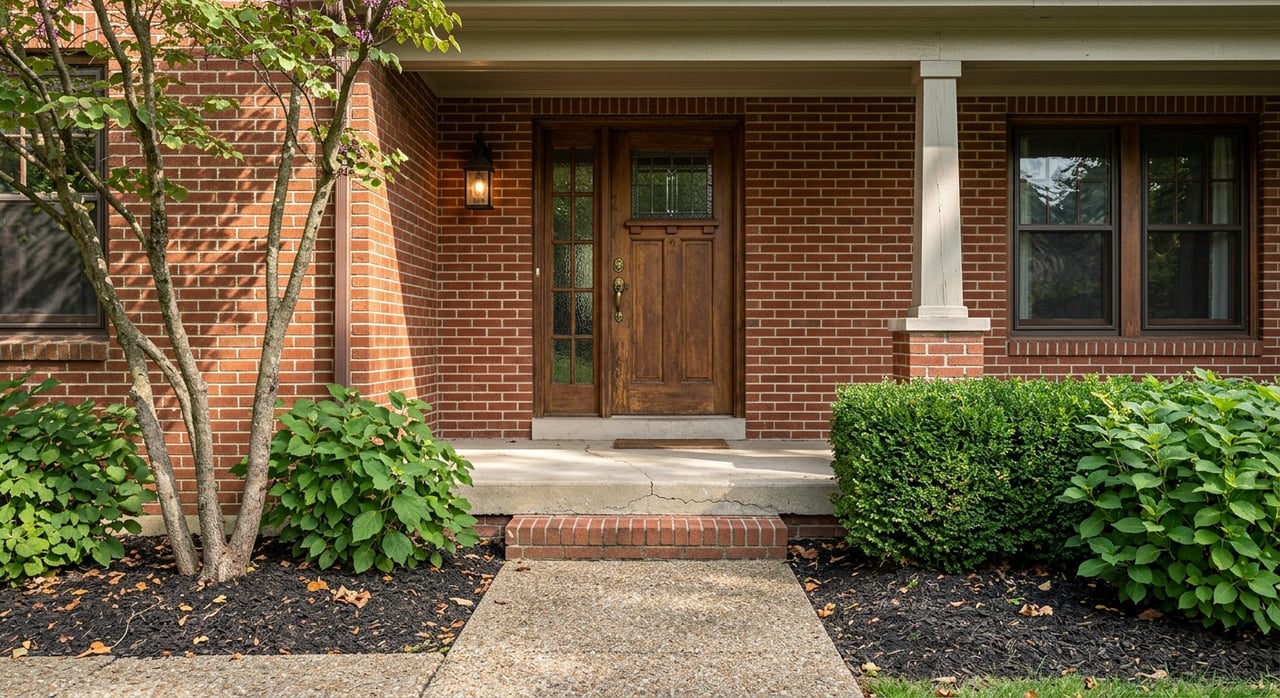
As you walk or drive through the area, you will see the details that give these homes their identity. Full-width porches, brick chimneys, wood windows, casement doors, tile awnings, and decorative cornices all play a role in the neighborhood’s historic look.
Riverview also offers more variety than many buyers expect. The district includes everything from modest middle-class bungalows to larger historic residences associated with early Tulsa residents, so your options may span very different home sizes, layouts, and renovation needs.
What “Historic” Actually Means
One of the biggest mistakes buyers make is assuming that every historic home comes with the same rules. In Riverview, that is not necessarily true.
Riverview was listed in the National Register of Historic Places on September 6, 2007, based on its architectural significance. That listing is important, but National Register status is mostly a form of recognition and has limited protection when federal dollars are involved.
The more practical question for you is whether a specific property is also inside a local Historic Preservation, or HP, overlay district. In Tulsa, the local HP overlay is the layer that can trigger city-level design review for exterior renovations and some repairs.
Current Tulsa Preservation Commission materials do not list Riverview among the city’s HP overlay districts. That means you should not assume a Riverview property follows the same review process as homes in overlay areas like Swan Lake or Tracy Park.
Verify Parcel Status Before You Plan Changes
Before you budget for paint, windows, a porch rebuild, or an addition, confirm the exact status of the parcel. This is one of the most important steps in the whole purchase process.
If a property is in a local HP overlay district, Tulsa requires owners to confirm overlay status, review applicable design guidelines, and work through a public review process before starting covered exterior work. If the property is only National Register-listed and not in an overlay district, the rules may be very different.
The practical takeaway is simple: verify first, renovate second. That one step can save you time, money, and frustration.
Focus on Original Exterior Features
In Riverview, many of the most important buying and renovation decisions involve exterior elements that define the neighborhood’s character. That includes windows, porches, masonry, doors, chimneys, and trim.
These features matter for two reasons. First, they shape curb appeal and long-term value in a historic area. Second, they are often the parts of an older home that need the most careful inspection and planning.
When you tour a home, look beyond the paint color and staging. Pay attention to whether original details are intact, altered, or visibly deteriorated.
Windows Deserve Special Attention
Historic windows are a major part of a home’s appearance. Tulsa preservation guidance identifies windows as character-defining features, and National Park Service guidance supports a repair-first approach rather than automatic replacement.
That matters because many buyers assume old windows always need to be swapped out. In reality, performance can often be improved with weatherstripping, storm windows, and other targeted upgrades instead of full replacement.
If replacement truly becomes necessary on a property subject to local review, Tulsa requires documentation such as photos, a site plan, condition notes, and details showing the original and proposed design and materials. Even if review is not required, matching the home’s original proportions and look is usually the smarter long-term move.
Masonry and Mortar Need a Careful Eye
Brick homes and chimneys are a big part of Riverview’s visual character, but masonry work can go wrong fast if it is handled without care. The National Park Service notes that repointing, which is the replacement of deteriorated mortar, can damage masonry units if done improperly.
During inspections, ask close questions about cracking, moisture intrusion, failed mortar joints, and past repair work. Also pay attention to drainage issues, because water-related deterioration should be addressed carefully and often before repointing begins.
For you as a buyer, this means mortar color, joint profile, and moisture management are not small details. They can affect both cost and the quality of future repairs.
Porches, Trim, Doors, and Chimneys Matter Too
On older homes, small exterior components can become major budget items. Porch framing, railings, columns, wood trim, and chimney condition all deserve a detailed look before closing.
These are not just cosmetic pieces. They often affect weather protection, structural performance, and the home’s overall historic character.
If you are comparing two Riverview properties, the one with more intact original details may offer stronger long-term appeal, even if it needs thoughtful repair work. A house that has already lost many original features may still be a fit, but you should factor that into both value and renovation strategy.
Plan Energy Upgrades Conservatively
Older homes can absolutely be made more comfortable, but the best approach is usually targeted rather than aggressive. National Park Service guidance recommends balancing energy savings with protection of historic materials and features.
In practice, that often points toward selective insulation, air sealing, weatherstripping, storm windows, and system improvements rather than wholesale replacement of original materials. Some new-construction solutions can cause inappropriate alterations or even irreversible damage when used on historic buildings.
If you are buying in Riverview, think in layers. Start with how the house handles moisture, air leakage, and basic system performance before assuming the answer is ripping out original components.
Research the Home Before Closing
A Riverview purchase is not just about the house you see today. It is also about the work that has been done over time.
The Oklahoma Historical Society recommends using county assessor records to track ownership and identify the subdivision name and legal description. From there, county clerk records, city directories, newspapers, maps, and State Historic Preservation Office resources can help you understand the property’s history.
This kind of research can help you spot missing additions, confirm whether major exterior changes were made later, and better understand past renovation patterns. For buyers of historic homes, paperwork can reveal just as much as a showing.
Check Floodplain and Drainage Context
Because Riverview is near the Arkansas River corridor and parts of the district developed along Riverside Drive, floodplain and drainage research should be part of your due diligence. The City of Tulsa says its floodplain atlas is a public information resource for regulated flood hazard areas.
This is especially relevant for lots near the river, lower-lying sites, or any property where moisture may affect foundation work, masonry repairs, or future renovation plans. A home can be charming and still come with site-specific water considerations.
Before you fall in love with finishes, make sure you understand the lot. Drainage, elevation, and floodplain context can shape insurance, renovation scope, and future maintenance costs.
Do Not Count on Tax Credits
Some buyers assume a historic house automatically comes with tax incentives. For most owner-occupants, that is not a safe assumption.
According to the National Park Service, the federal 20% historic rehabilitation credit applies to certified historic structures used in income-producing activity, and owner-occupied residential properties do not qualify. Oklahoma SHPO confirms that state and federal rehabilitation incentives exist for qualified projects, but eligibility depends on the project and property use.
If you are buying a Riverview home to live in, treat any incentive as something to verify, not something to build into your budget upfront. That keeps your numbers realistic from the start.
A Smart Riverview Buying Strategy
Historic homes reward buyers who stay practical. In a neighborhood like Riverview, the goal is not just to buy charm. It is to understand what you are buying, what condition it is in, and how your future plans fit the property.
A strong approach usually looks like this:
- Verify the parcel’s exact historic status
- Review the condition of original exterior features
- Gather records on prior renovations and ownership history
- Check floodplain and drainage context
- Budget for repair-first solutions where possible
- Avoid assuming tax credits or easy exterior changes
That process helps you make decisions with fewer surprises. It also sets you up to preserve what makes the home special while protecting your budget.
If you are considering a historic home in Riverview, it helps to work with someone who understands both the neighborhood and the realities of older properties. For practical guidance on buying, evaluating, and planning your next move in Tulsa, schedule a free consultation with Howard Grant.
FAQs
What should you check first when buying a historic home in Riverview Tulsa?
- Start by verifying the property’s exact historic status, including whether it is only National Register-listed or also subject to a local HP overlay review process.
Does a historic home in Riverview Tulsa automatically restrict exterior changes?
- No. In Tulsa, local Historic Preservation overlay zoning is the key factor that can trigger design review for exterior work, so you need to confirm the parcel status before making plans.
Are original windows worth keeping in a Riverview historic home?
- Often yes. Preservation guidance supports repairing historic windows first, and performance can sometimes be improved with weatherstripping, storm windows, and other targeted upgrades.
Why is masonry inspection important for older Riverview homes?
- Older brick, chimneys, and mortar joints can develop moisture and deterioration issues, and improper repointing can damage the masonry itself.
Do owner-occupied historic homes in Riverview Tulsa qualify for federal rehabilitation tax credits?
- Generally no. The federal 20% historic rehabilitation credit is for certified historic structures used in income-producing activity, not standard owner-occupied residential properties.
Why should buyers check floodplain information for Riverview Tulsa properties?
- Riverview is near the Arkansas River corridor, so floodplain and drainage conditions may affect renovation planning, maintenance concerns, and property costs for some parcels.