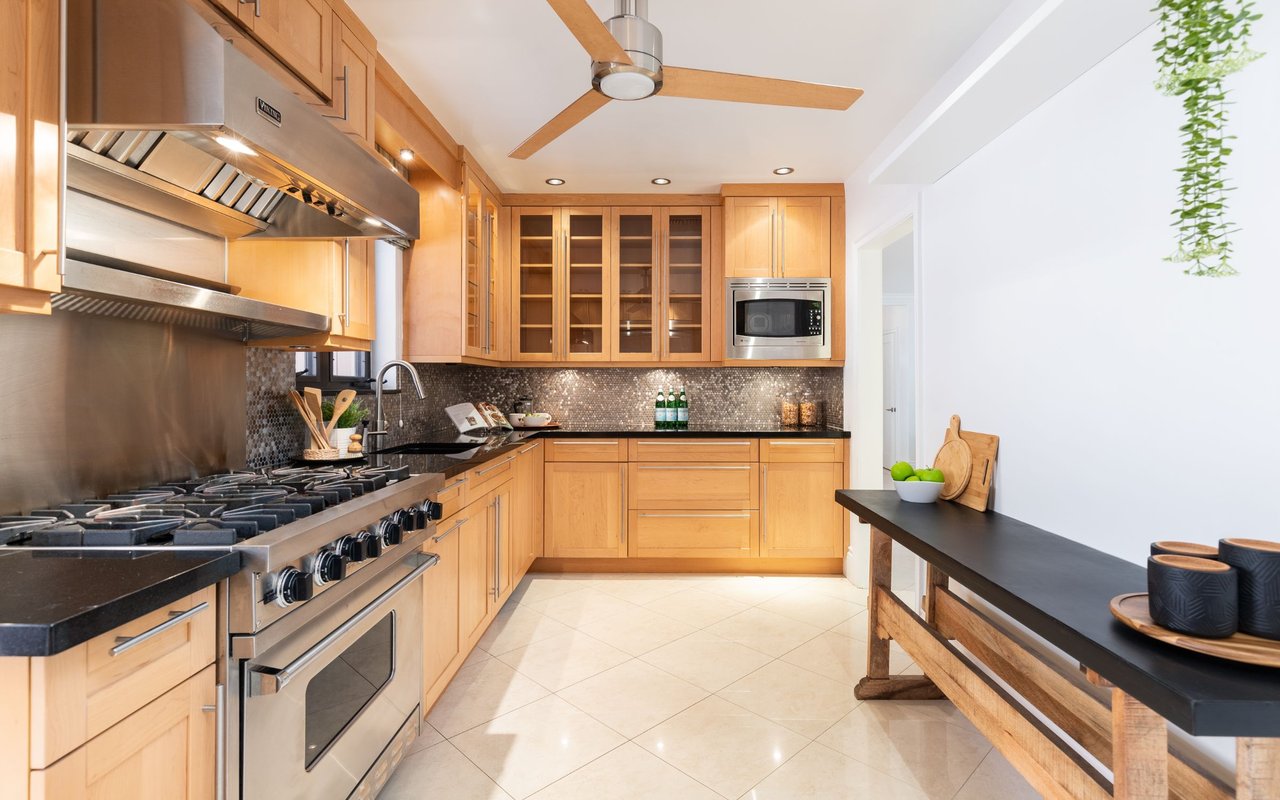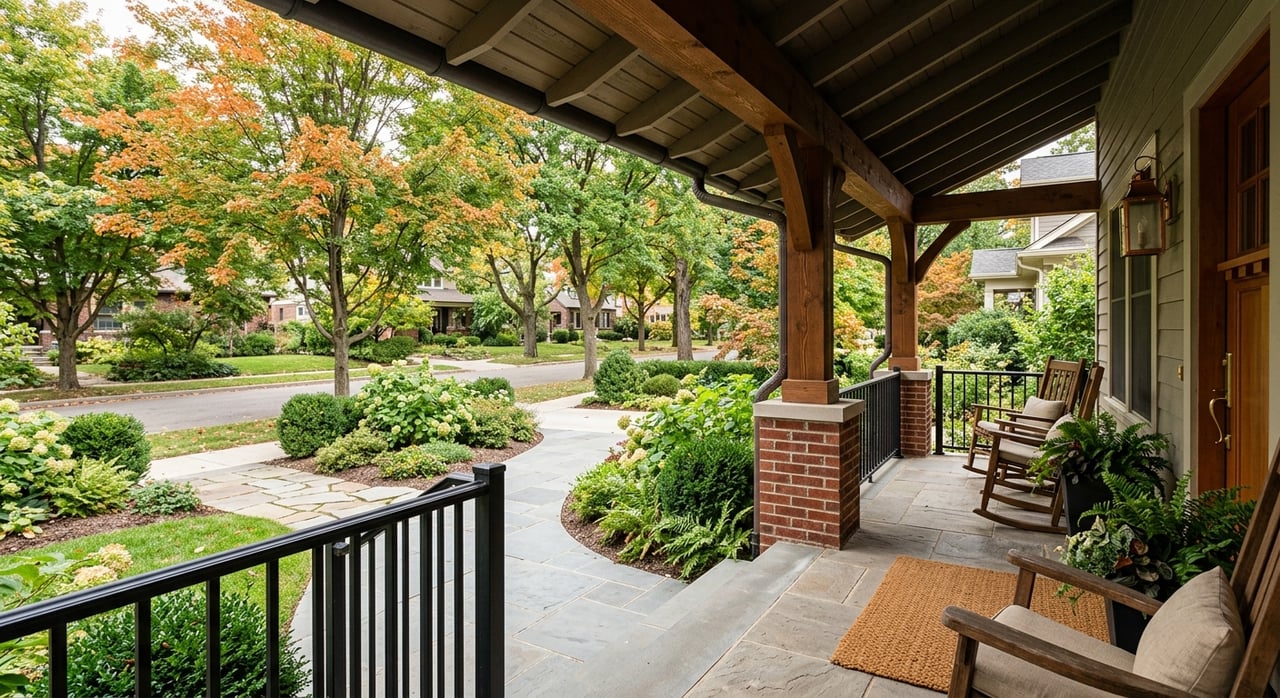
If you are looking for a Tulsa neighborhood with real day-to-day energy, the Pearl District stands out fast. It sits just east of downtown, but it does not feel like a place you only visit for a special event. You get a mix of coffee stops, casual food, art spaces, music history, green space, and close-in access that can make daily life feel more connected and less car-dependent. Let’s dive in.
Where the Pearl District Sits
The Pearl District is one of Tulsa’s early mixed-use neighborhoods, built on a traditional street grid with a blend of single-family housing, neighborhood-scale retail, and employment uses. Current city materials place it south of I-244, north of 11th Street South, west of South Utica, and east of US-75 and the Inner Dispersal Loop.
That location matters in everyday life. You are close to downtown, but you are also in a neighborhood that has its own identity. The layout supports a more connected routine, especially if you like living near local businesses, parks, and creative spaces.
Why the Area Feels Lively
The Pearl District is not just a fixed historic pocket. Tulsa Planning adopted the Pearl District Small Area Plan in 2019, and as of July 1, 2024, about half of its implementation measures were complete or ongoing, with another quarter in progress.
That tells you something important as a buyer or future resident. The area is already active, but it is also still evolving through infill, reuse, and public investment. Recent city actions tied to the district include the Quincy Park redevelopment and a tax increment financing district intended to support housing, parking, pedestrian access, and bus rapid transit connectivity.
Daily Food and Coffee Options
One of the easiest ways to judge a neighborhood is to picture a normal Tuesday. In the Pearl District, that routine can start with breakfast or coffee close to home instead of a long drive across town.
The Church Studio’s Studio Row materials identify places like 918 Maples Cafe and Catering, Oakhart Barbecue, and Freeway Cafe as part of the district’s food mix. That lineup points to a neighborhood built around everyday use, not just weekend traffic.
Freeway Cafe is known for breakfast and a retro diner feel, which gives the area a practical, lived-in rhythm. For people who like casual, repeatable spots over flashy one-off destinations, that matters.
You also have nearby options that extend the routine beyond the neighborhood edge. Shuffles in the Tulsa Arts District operates as a restaurant, bar, and coffee shop serving Topeca coffee, which adds another nearby stop for brunch, coffee, or an easy meet-up.
Arts and Music Are Part of Daily Life
The Pearl District’s arts identity is one of its biggest draws, but it is not only about nightlife. The area works better as a creative corridor, where local shops, music history, art businesses, and public programming all overlap.
The Church Studio describes itself as being on Studio Row, the heart of the Pearl District. Studio Row includes shopping, music, art, and food, along with creative tenants like Hummingbird Fine Craft and Garden Deva Sculpture Company.
That mix gives the neighborhood a different texture than a typical residential area. You can run errands, grab a bite, and pass working artists or creative storefronts in the same stretch of the day. Public programming like Tunes @ Noon also adds activity without requiring a big night out.
Nearby Green Space Adds Balance
A neighborhood feels more livable when there is room to slow down. In and around the Pearl District, green space plays a real role in that balance.
Veterans Park and the Centennial Center at 1028 E. 6th offer landscaped scenery, water features, and skyline views. That gives residents a nearby option for walking, taking a break outdoors, or simply changing pace during the day.
Just beyond the district, Guthrie Green adds another layer of daily-use outdoor space. It is open to the public daily from 6 a.m. to 11 p.m. and is commonly used for picnics, pets, and fresh air even when there is no scheduled event.
That matters if you are trying to picture ordinary life, not just special occasions. A neighborhood with flexible public space usually feels easier to enjoy on a regular basis.
The Pearl District Connects to Tulsa’s Arts Core
Living in the Pearl District also means you are close to a wider cultural zone. Across the tracks, the Tulsa Arts District includes places like Tulsa Theater, Cain’s Ballroom, Living Arts, Bob Dylan Center, 108|Contemporary, and First Friday Art Crawl.
For residents, that creates options. You can keep things simple with a walk, a park stop, or a meal near home, or you can tap into larger arts and event programming nearby.
This is one reason the area appeals to buyers who want more than a house alone. The neighborhood sits near a steady mix of public space, local business activity, and cultural venues that can shape how your week feels.
Easy Movement Around the City
Location is not just about what is nearby. It is also about how easily you can move through the city when work, errands, or entertainment take you outside the neighborhood.
MetroLink’s Denver Avenue Station serves as the downtown transit hub. Route 140 links Denver Avenue Station to the east side along 11th Street, and Route 150 connects the hub through Midtown to East Tulsa.
City housing materials for Quincy Park also note that downtown offices and attractions are minutes away by foot, bike, or bus, including through the upcoming Aero BRT extension. Taken together, the district plan, transit routes, and redevelopment materials support the idea that the Pearl District is closely tied to downtown while still functioning as its own neighborhood.
What Everyday Living Can Look Like
If you are trying to picture the feel of the area, think in simple routines. Breakfast at Freeway Cafe or 918 Maples, a stop around Studio Row, time outdoors at Veterans Park or Guthrie Green, and an evening beer at Nothing’s Left Brewing all fit the way the neighborhood works.
Nothing’s Left Brewing, located at 1502 E 6th, is one of the clearest evening hangouts tied to the area. Its remodeled Texaco taproom and evening hours give residents a relaxed after-work option without needing a major plan.
This is what makes the Pearl District appealing to many early-stage buyers and central Tulsa shoppers. It offers activity, but not only in one form. The neighborhood supports coffee runs, lunch breaks, green-space resets, music history, and arts access in a compact area.
Why Buyers Pay Attention Here
For buyers, the Pearl District offers a useful mix of present-day lifestyle and future potential. It already has an established identity, but city planning and redevelopment activity show continued investment in housing, pedestrian access, and neighborhood infrastructure.
That can matter if you want a central Tulsa location with a little momentum behind it. A neighborhood that is improving while already usable day to day often gives you a better feel for how you would actually live there.
It can also matter if you are comparing central Tulsa options. The Pearl District is close to downtown and tied into the Arts District, but it still reads as its own place with local routines and a street-level feel.
A Practical Take on the Pearl District
The best way to describe everyday life in Tulsa’s Pearl District Arts Corridor is simple: it feels usable. You are not choosing a neighborhood that only comes alive on weekends. You are choosing an area where coffee, food, parks, art, music, and transit connections can all be part of a normal week.
If you are considering a move in central Tulsa, it helps to look beyond listing photos and ask how a neighborhood supports your routine. If you want a close-in area with creative energy, evolving infrastructure, and easy access to downtown, the Pearl District deserves a serious look.
If you want help comparing the Pearl District to other central Tulsa neighborhoods or finding the right fit for your goals, Howard Grant can help you make a practical, informed move.
FAQs
What is the Pearl District in Tulsa known for?
- The Pearl District is known as an early mixed-use neighborhood east of downtown Tulsa with a blend of housing, neighborhood-scale businesses, art spaces, music history, and close access to downtown amenities.
Where is Tulsa’s Pearl District located?
- Current city materials place the Pearl District south of I-244, north of 11th Street South, west of South Utica, and east of US-75 and the Inner Dispersal Loop.
What kinds of restaurants and cafes are in the Pearl District?
- Current district references include 918 Maples Cafe and Catering, Oakhart Barbecue, and Freeway Cafe, with nearby coffee and brunch options such as Shuffles in the Tulsa Arts District.
Is the Pearl District close to arts and music venues?
- Yes. The district includes Studio Row and The Church Studio, and it sits near the Tulsa Arts District, which includes venues and cultural destinations like Guthrie Green, Tulsa Theater, Cain’s Ballroom, Living Arts, and the Bob Dylan Center.
Are there parks and outdoor spaces near the Pearl District?
- Yes. Veterans Park and the Centennial Center offer landscaped scenery, water features, and skyline views, while nearby Guthrie Green serves as a daily-use public green space.
How easy is it to get around from the Pearl District?
- The neighborhood is closely connected to downtown Tulsa, with access to bus routes including Route 140 and Route 150 through Denver Avenue Station, plus city plans tied to improved pedestrian access and future Aero BRT connectivity.
Is the Pearl District still changing?
- Yes. Tulsa’s adopted small-area plan was still actively being implemented as of July 2024, and recent city actions point to continued infill, housing support, pedestrian improvements, and redevelopment activity in the area.