The inspection period on an older Brookside house rarely turns on the roof or the foundation. Those show up in photos, get priced by a contractor in an afternoon, and either kill a deal cleanly or don't. The item that actually reshapes negotiations, again and again, is buried under the yard and invisible until someone runs a camera through it: the sewer lateral.
That's not a random quirk of this particular neighborhood. It's the direct result of two things colliding: how old Brookside's original housing stock actually is, and how little Oklahoma law requires a seller to know about what's underground before they sign a disclosure form.
The Disclosure Form Only Reports What Someone Already Knows
Oklahoma's Residential Property Condition Disclosure Act requires sellers to state whether they have actual knowledge of defects in the water and sewer system, among other categories. That phrase, actual knowledge, is doing a lot of work. The statute doesn't require a seller to test anything before listing. It only asks them to report what they already know.
For a seller who bought the house years ago, has never had a backup, and has never scoped the line, the honest answer is often "unknown," and the disclosure form reflects that truthfully. Nobody has lied. Nobody has hidden anything. The form is accurate and it still tells the buyer nothing about the actual condition of a pipe that's been in the ground since before either of them owned the house.
That gap between "disclosed" and "known" is where a Brookside deal usually gets interesting.
Brookside's Age Makes That Gap Bigger Than Average
Most neighborhoods have this same disclosure gap in theory. Brookside has it in practice, because of when the neighborhood was actually built.
Brookside took shape in the 1920s during Tulsa's oil boom, then saw its real growth spurt in the 1940s as a postwar suburban district, with a second building wave through the 1950s. City of Tulsa planning documents classify much of the area as developed during the "Early Automobile Era," spanning the 1930s through the 1950s. That means a large share of the neighborhood's untouched original homes are sitting on sewer laterals installed somewhere between 70 and 100 years ago, using whatever material was standard at the time.
That material was almost never PVC. It was clay tile or cast iron, and both have a shelf life.
| Pipe material | Typical service life | What that means for a Brookside house |
|---|---|---|
| Clay tile | 50 to 60 years | A line installed in the 1950s is already past its expected lifespan today |
| Cast iron | About 75 years | A line from the 1940s boom is approaching or past its expected lifespan now |
| PVC | 100 years or more | Only present if the line has already been replaced |
If a house has never had its sewer line replaced, the material alone tells you it's operating past or near its design life before a camera ever goes in.
A Renovated Kitchen Doesn't Mean a Replaced Sewer Line
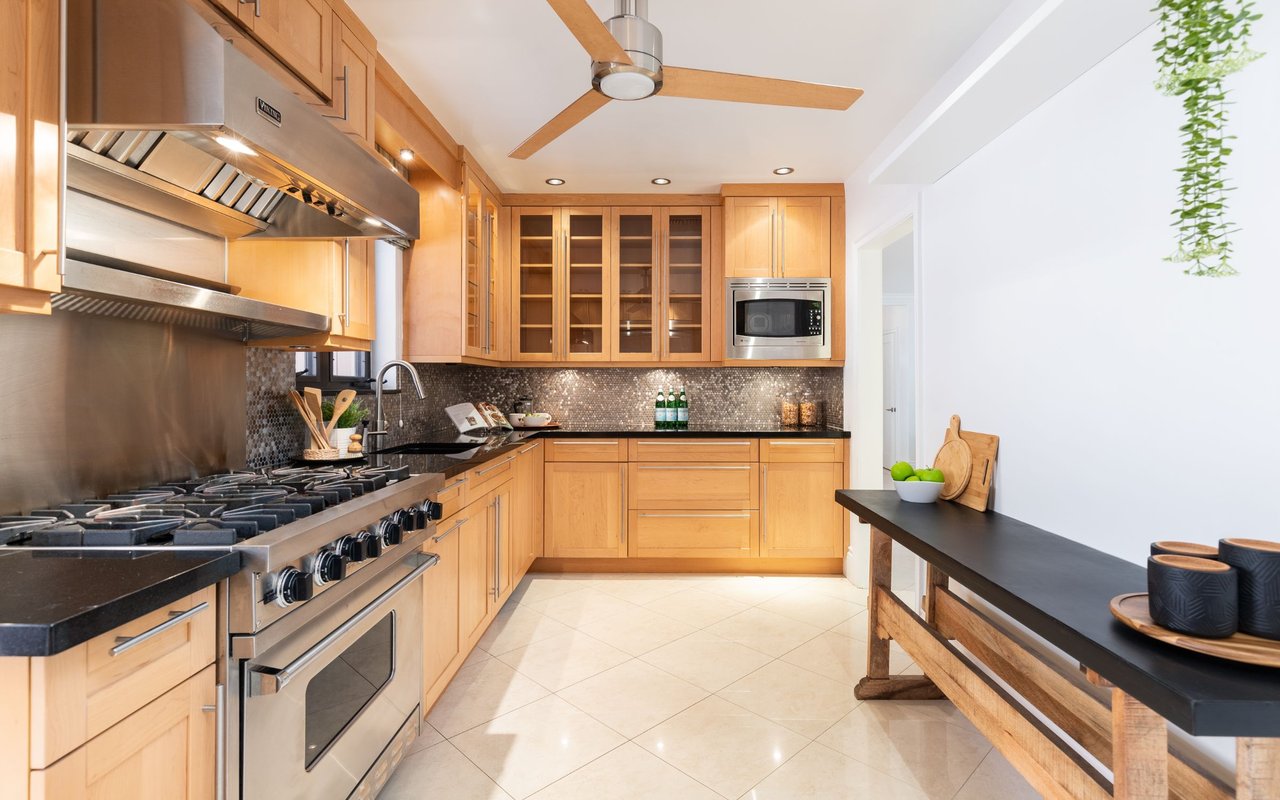
Brookside's resale market runs heavily on renovation recency. Buyers comparing two similar houses on the same block will often pay more for the one with updated finishes, even when both structures date to the same decade. That pattern makes sense on its face. It also creates a blind spot, because a kitchen remodel and a bathroom update don't touch what's under the yard.
Home inspection guides covering the Tulsa market note that the sewer lateral gets far less scrutiny during a typical walkthrough than the roof, the exterior, or the interior finishes, precisely because it's the one system nobody can see. A house can have granite counters, a redone primary bath, and fresh paint throughout, and still be running the original 1948 clay line straight to the street. Renovation recency is a real price signal in this neighborhood. It is not a proxy for pipe condition, and treating it as one is how buyers end up surprised.
What the Camera Costs Versus What It Finds
A sewer camera inspection in the Tulsa market typically runs in the low hundreds of dollars as an add-on to a standard home inspection. Assured Home Inspectors, for example, prices theirs at $225. What that camera is checking for, if it finds a real problem, is a repair that isn't in the same price category at all.
Big C's Plumbing, which has been running sewer camera inspections in Tulsa since 1996, puts full sewer line replacement on a typical residential lot at $15,000 to $25,000 or more once excavation, line length, and access conditions are factored in. That's the gap a $225 scope is designed to close before it becomes someone's problem to solve after closing.
Root intrusion is the most common finding in older cast iron and clay tile lines, driven partly by Oklahoma's expansive clay soil, which shifts with wet and dry cycles and puts steady pressure on old pipe joints. Tree roots follow that moisture straight into any joint that's already stressed. None of that shows up from the yard. It only shows up on a monitor.
Where This Actually Changes the Negotiation
For a buyer, the practical move is straightforward: treat a sewer scope as a standard part of inspection on any Brookside house that hasn't had documented plumbing work, not an optional upgrade. If the line comes back clean, that's real information the disclosure form couldn't give you. If it doesn't, you're negotiating from a video, not a guess, and Oklahoma's disclosure timeline works in your favor here. Under the statute, if a seller learns of a defect after delivering their disclosure but before accepting an offer, they're required to deliver an amended disclosure. A scope run during the inspection period, before final acceptance, puts findings on the record while there's still room to negotiate repairs, a credit, or a price adjustment.
For a seller, the calculation runs the other way. Getting ahead of the question with a pre-listing scope doesn't just protect against a renegotiation mid-contract. It turns "unknown" into a documented fact you control the timing of, rather than one a buyer's inspector hands you three weeks into a contract. A clean scope becomes a selling point in a neighborhood where buyers already expect to ask. A line that needs work becomes a repair you can price and address on your own schedule instead of the buyer's.
Either way, the sewer line is the item in a Brookside transaction that behaves the least like the rest of the house. Everything else gets easier to reason about the longer you look at it. The pipe only gets more expensive to ignore.
A Few Quick Questions
Does Oklahoma law require a seller to test the sewer line before listing a home? No. The Residential Property Condition Disclosure Act only requires sellers to report defects they actually know about. There's no requirement to test the line first, which is exactly why so many disclosure forms on older homes list the sewer system as unknown rather than as a problem.
If a scope finds a problem after the offer is already in, does the seller have to fix it? Not automatically. It becomes a negotiation point, the same as any other inspection finding, worked out through repair requests, credits, or a price adjustment during the inspection period.
Does a home built in the 1950s or later skip this issue if it looks updated? Not by itself. Interior renovations address what buyers can see. They don't tell you whether the original lateral was ever replaced. The only way to know is to run the camera.
Howard has walked Brookside sellers and buyers through exactly this conversation more times than he can count, usually right around the inspection period when it matters most. If you're weighing a purchase or a sale in Brookside and want a straight read on what to expect before you're mid-contract, Howard Grant is a good place to start. Schedule a free consultation and get the practical version of this conversation before it's the surprising version.