If you are drawn to the Pearl District, you have probably already noticed one thing: this is not a cookie-cutter neighborhood. In Pearl, you will see older bungalows, newer infill housing, and mixed-use buildings all within a compact area near downtown. That mix can be exciting, but it can also make your home search feel less straightforward. This guide breaks down the main home styles in the Pearl District so you can better match your goals, budget, and renovation comfort level. Let’s dive in.
Why Pearl District Feels Different
The Pearl District stands out because its housing stock reflects a long history of change and active planning. According to the Pearl District Small Area Plan, the area includes a mix of residential, office/commercial, and industrial zoning, with a vision that includes single-family homes, multifamily housing, and live-work units.
That helps explain why you may find a bungalow on one block, a redeveloped historic building nearby, and new housing concepts still taking shape. City-backed redevelopment is still moving forward, with plan implementation ongoing and newer housing-focused projects tied to the district’s future growth.
Bungalows in Pearl District
What Pearl bungalows are like
The older residential core of Pearl includes early-1900s bungalow homes. Tulsa’s 6th Street Infill Plan identifies a residential revitalization subarea between 7th and 11th streets and Peoria and Rockford as a small enclave of bungalow houses built in the early 1900s.
For you as a buyer, that usually means homes with traditional layouts, older design details, and a broad range of condition. Some properties may feel move-in ready, while others may clearly fit the fixer-upper category.
Why buyers choose bungalows
Pearl bungalows often appeal to buyers who want character and are open to hands-on improvements. If you like the idea of restoring a home or updating kitchens, baths, systems, or parking arrangements over time, this housing type may be a strong fit.
The planning guidance for this part of Pearl emphasizes preserving form, scale, rhythm, and proportion. In practical terms, that supports the neighborhood’s older residential feel rather than a full reset to oversized or out-of-place new construction.
When a bungalow may not fit
If you want a large lot, a wide-open floor plan, or a more uniform new-build feel, a bungalow may not be your best match. Many buyers love the charm, but charm often comes with trade-offs in layout, storage, or update needs.
That does not make these homes less valuable. It just means your decision should line up with how much work, maintenance, and customization you want to take on.
Townhomes and Duplexes in Pearl
What missing-middle housing means
Pearl’s planning documents call for a broader mix of housing types, including townhomes, duplexes, triplexes, quads, clustered homes, narrow-lot homes, and accessory dwelling units. Tulsa Planning describes missing-middle housing as house-scale buildings that fall between detached single-family homes and large apartment complexes.
For buyers, that means Pearl is not limited to one classic home style. You may find options that offer a more compact footprint and a more flexible ownership setup than a traditional detached home.
What to expect from townhomes
Townhomes in Pearl will often mean multi-level living, less yard space, and a lower-maintenance setup. Shared walls are common, and the trade-off is usually less exterior upkeep and a more urban feel.
This style can work well if you want a lock-and-leave home or prefer a simpler maintenance routine. It may also appeal to buyers who want to stay near downtown without taking on a full bungalow renovation.
How duplexes and similar properties can work
Duplexes and other small-scale multifamily properties can create flexibility, depending on the parcel and allowed use. For some buyers, that can mean living in one portion of a property while using the other space in a way that fits local rules and the property’s design.
The key is to stay practical. Parking, zoning, and intended use matter a lot in Pearl, especially if you are thinking beyond standard owner-occupant use.
Mixed-Use and Live-Work Properties
Why Pearl is a strong fit for live-work buyers
One of Pearl’s biggest differences from more uniformly residential Midtown areas is its mixed-use character. Tulsa’s mixed-use zoning allows residential, office, and retail uses in the same building or on the same property, typically with buildings closer to the street and parking beside or behind them.
If you want a property with live-work flexibility, Pearl deserves a close look. The district is widely described as an urban neighborhood next to downtown, shaped by local businesses, studios, cafes, breweries, parks, and gathering spaces.
What this style looks like in practice
In real life, mixed-use and live-work properties may include street-facing spaces, adaptive-reuse buildings, or infill designed to support a stronger street wall. The Pearl infill vision calls for 2- to 4-story infill that complements the existing urban fabric.
That makes Pearl especially relevant if you are drawn to a more urban ownership experience. It is a very different feel from a purely residential block of detached houses.
Historic Redevelopment and New Infill
Quincy Park as a current example
A good example of Pearl’s redevelopment pattern is Quincy Park. Phase One completed 72 studio apartments in five historic buildings, and Phase Two is planned to add a mixed-use building and townhomes while retaining character-defining elements.
That matters because it shows how Pearl is evolving. New housing here is often shaped by reuse, preservation, and neighborhood context rather than blank-slate suburban development.
What new infill means for buyers
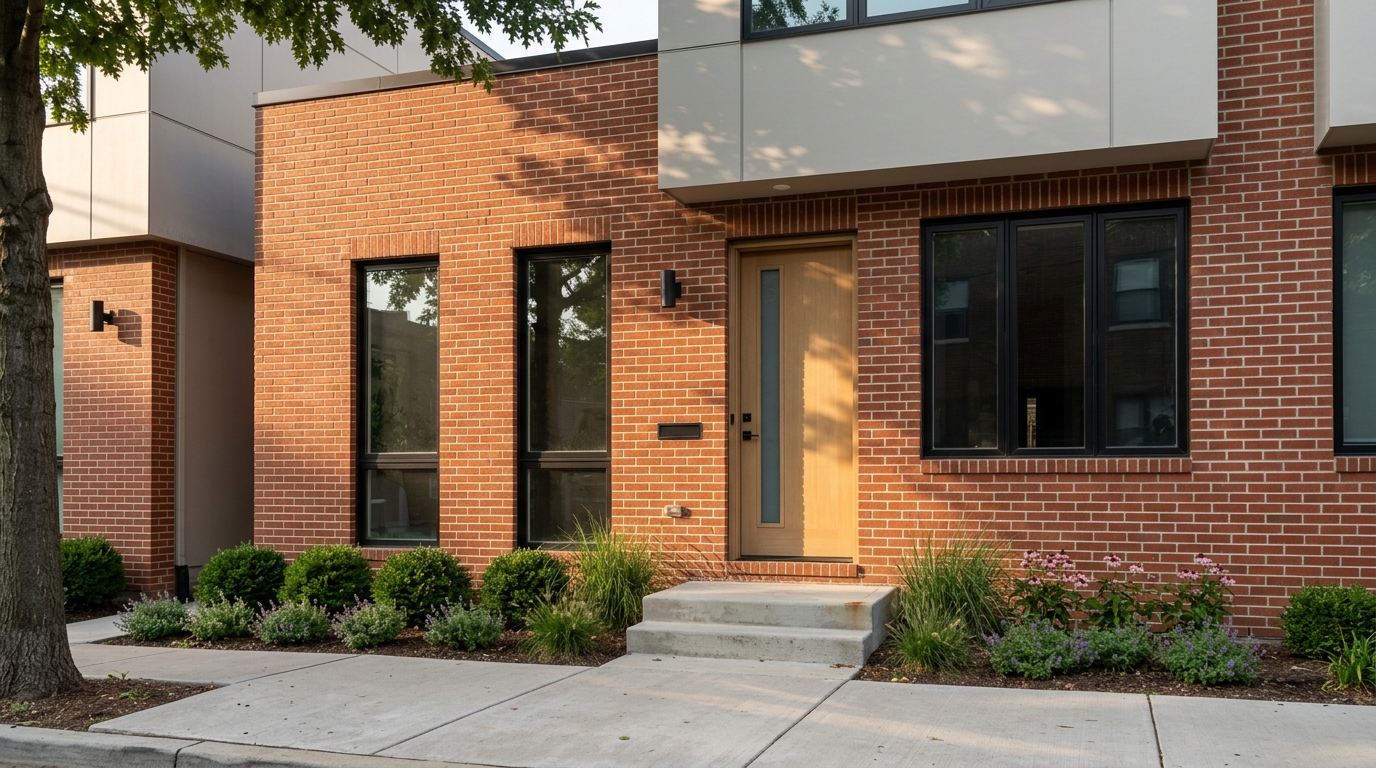
When you shop in Pearl, newer does not always mean a standard subdivision-style product. Infill projects may be narrower, more urban, and more closely tied to existing block patterns.
For you, that can be a benefit if you want a location-driven purchase with lower yard demands and easier access to neighborhood amenities. It can be less appealing if your priority is maximum privacy, lot size, or a conventional suburban layout.
How Pearl Compares to Other Midtown Areas
Pearl tends to feel more eclectic than nearby Midtown areas that are more consistently residential in style. Some nearby planning areas are described more uniformly as bungalow or Craftsman neighborhoods, while Pearl includes a more layered mix of older homes, infill housing, and mixed-use buildings.
That means your search in Pearl may involve more trade-off analysis than in a neighborhood with a more predictable housing pattern. Instead of asking only, “What price range fits me?” you may also need to ask, “How much renovation, density, or mixed-use activity am I comfortable with?”
How to Choose the Right Pearl Home Style
Choose a bungalow if you want character
A bungalow may fit you well if you value original charm and are comfortable with updates over time. This option often suits buyers who can see potential and do not mind working through older-home quirks.
Choose a townhome or duplex if you want easier upkeep
If low maintenance matters more than yard space, a townhome or smaller multifamily-style property may be a better fit. These homes can offer a simpler ownership experience in a location with strong urban access.
Choose mixed-use if flexibility matters most
If you want to combine living space with another allowed use or simply like a more urban setup, mixed-use property may be worth exploring. In Pearl, this is one of the neighborhood’s clearest points of difference.
Smart Questions to Ask Before You Buy
Because Pearl has a varied housing stock and active redevelopment, it is smart to verify details property by property. Do not assume that one block or one project reflects the whole district.
Before you move forward, ask about:
- Zoning and permitted use
- Parking setup and access
- Drainage or stormwater considerations
- Renovation scope for older homes
- How the property fits your long-term plan
Some redevelopment sites in Pearl have been tied to stormwater management and future flood-control amenities. That makes parcel-level due diligence especially important.
Bottom Line for Pearl Buyers
The Pearl District gives you more variety than many buyers expect. You can find early-1900s bungalows with restoration potential, lower-maintenance townhome-style living, and mixed-use properties that support a more urban lifestyle near downtown Tulsa.
The best choice depends less on one “best” home style and more on your goals. If you want practical guidance on which Pearl property type fits your plans, renovation appetite, or long-term investment strategy, Howard Grant can help you evaluate your options with a local, operator-minded perspective.
FAQs
What kinds of homes are common in Pearl District Tulsa?
- Pearl includes early-1900s bungalows, townhomes, duplexes, other missing-middle housing types, and mixed-use or live-work properties.
Are Pearl District Tulsa homes mostly older homes?
- Pearl has an older residential core with bungalows, but it also includes redevelopment projects, infill housing, and mixed-use buildings.
Are bungalows in Pearl District Tulsa good for buyers who want a turnkey home?
- Some may be move-in ready, but many buyers look at Pearl bungalows for character and restoration potential rather than a fully updated new-construction feel.
What is missing-middle housing in Pearl District Tulsa?
- Missing-middle housing refers to house-scale options like townhomes, duplexes, triplexes, and similar homes that sit between detached houses and large apartment buildings.
Why should buyers verify zoning and drainage in Pearl District Tulsa?
- Pearl’s mixed-use character, redevelopment activity, and some site-specific stormwater considerations make parcel-level checks important before you buy.