Thinking about new windows, a porch refresh, or solar panels on your Riverview home? In a historic area, the right update can boost comfort and value, but some exterior work may need review before you start. You want a clear plan that respects your home’s character and avoids delays. This guide explains what typically triggers review in Riverview, how approvals usually work in Tulsa, practical design tips that pass muster, and where to go for authoritative guidance. Let’s dive in.
Confirm your home’s designation
Before you pick materials or book a contractor, confirm how your property is designated. In many cities, two layers can apply:
- Local historic district. Exterior work visible from the street often requires a Certificate of Appropriateness (COA) or similar approval.
- National Register district. Listing recognizes significance and may open incentives. It usually does not restrict a private owner’s work unless public funds or permits are involved.
Your home’s status as contributing or non-contributing can also affect the level of review. Because rules and boundaries can change, start by contacting City of Tulsa Historic Preservation staff and the Oklahoma State Historic Preservation Office for current guidance. Ask whether Riverview’s address in 74119 is locally designated, on the National Register, or both, and what review applies to your scope.
What typically needs review
Most local commissions focus on exterior work visible from the public right-of-way. While you should confirm locally, the following categories are commonly reviewed:
- Additions, new construction, and demolitions
- Porches and entry features, including enclosures
- Windows and doors, especially full replacements or changes to openings
- Roofs, including new dormers, skylights, or solar visible from the street
- Siding and exterior cladding, especially material changes
- Masonry and chimneys, including repointing and alterations
- Fences, gates, driveways, and site features
- Exterior mechanicals and screening, such as HVAC units and satellite dishes
- Signs and exterior lighting on mixed-use or commercial buildings
Often exempt or minimally reviewed items include interior work not visible from the street and ordinary, in-kind repairs using matching materials. Some jurisdictions allow staff-level approvals for minor changes like like-for-like roof replacement. Always verify before starting.
Standards reviewers use
Many review bodies rely on the Secretary of the Interior’s Standards for Rehabilitation. These standards emphasize keeping historic materials and character-defining features whenever feasible. You can read them directly in the National Park Service’s guide to the Secretary of the Interior’s Standards for Rehabilitation.
- Repair is preferred. Patch, consolidate, and splice rather than fully replace when you can.
- If replacement is necessary, match design, material, details, and finish as closely as possible.
- Use compatible materials. Traditional wood, brick, and stone are prioritized. Substitutes may be accepted if they closely match appearance and profiles.
- Aim for reversibility and low visual impact. Keep new work subordinate and place modern elements where they are less visible.
Helpful technical briefs from the National Park Service include:
- Window repair best practices in Preservation Brief 9
- Roofing guidance in Preservation Brief 4
- How to identify and protect character-defining features in Preservation Brief 17
How approvals usually work in Tulsa
Processes vary, so confirm current steps with City of Tulsa Historic Preservation staff. A typical path looks like this:
- Initial call or email. Share your address and a short scope to learn whether your work needs review and what type.
- Pre-application meeting. Strongly recommended for complex projects or additions.
- Submit application materials. Expect to provide photos, drawings, material samples, and a scope narrative.
- Administrative vs. commission review. Minor work may be approved by staff. Larger changes may go to a commission meeting.
- Timelines. Staff reviews often take a few weeks. Commission hearings add several more weeks, depending on the schedule.
- Permits. Historic approval is often required before a building permit can be issued.
- Enforcement. Unauthorized exterior work can trigger stop-work orders or require restoration. Do not begin without written confirmation.
Project-by-project guidance
Porches and entries
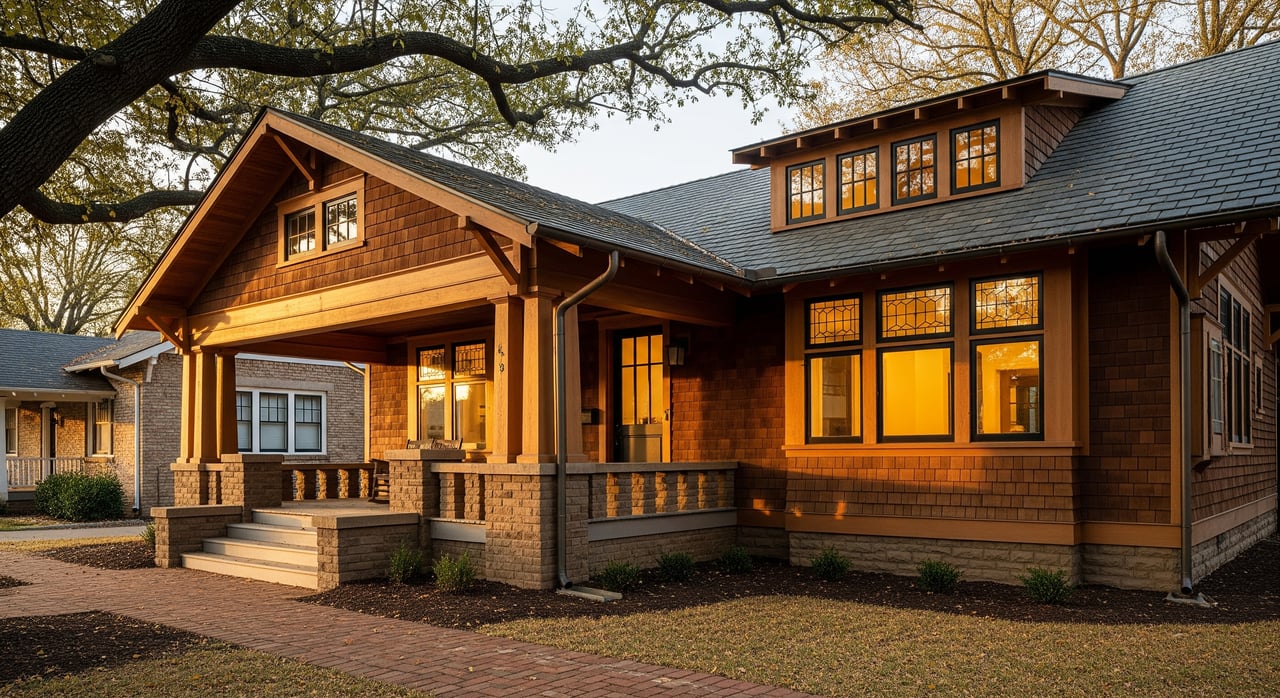
- Porches are often character-defining. Keep original footprints, columns, railings, and steps where possible.
- Repair in-kind. Replace deteriorated parts with matching profiles and materials.
- Avoid full enclosures that change the façade rhythm or door-window alignment.
Windows and doors
- Expect a repair-first approach: weatherstripping, sash repair, glass replacement, and storms.
- Full replacement is typically considered when repair is not feasible. Match sightlines, muntin depth, and profiles. Wood or clad-wood is often preferred.
- Changing sizes or locations of openings usually requires stronger justification.
Roofs
- Compatible architectural asphalt shingles are commonly acceptable when the color and profile suit the house.
- New dormers, skylights, or solar visible from the street may need to be set back or minimized.
Siding and cladding
- Keep original wood siding where you can. In-kind replacement or close-match fiber cement may be acceptable when profiles align.
- Avoid covering historic materials with incompatible vinyl or aluminum.
Masonry and chimneys
- Match mortar in strength, color, and tooling when repointing. Avoid harsh cleaning methods like sandblasting.
- Repair rather than remove historic chimneys where feasible.
Additions and new construction
- Design with compatible scale, massing, roof form, and window rhythm. Place additions at the rear or side to limit visibility.
- Differentiate new work slightly so it does not read as historic, while staying visually compatible.
Mechanicals, solar, and accessibility
- Place HVAC, meters, and conduit discreetly and use screening.
- Small solar arrays on rear roof slopes are often easier to approve than large, highly visible installs.
- Accessibility ramps and lifts are usually supported when sited and detailed to minimize visual impact.
Timeline and documentation checklist
Planning ahead shortens review time. A complete packet often includes:
- Photos of all elevations and the streetscape
- Photos showing deterioration that justifies replacement
- Site plan with setbacks, walkways, and new features
- Existing and proposed elevations with dimensions and materials
- Material samples and manufacturer cut sheets (windows, roofing, siding)
- Paint chips if required
- Contractor or architect contact information
- A clear scope narrative explaining methods and material compatibility
- A simple maintenance plan for repaired or replaced elements
Typical timelines to plan for:
- Staff-level review: about 2 to 6 weeks
- Commission hearing: add 4 to 8 weeks depending on the calendar
- Building permits: separate processing and often sequential
Incentives and budget planning
- Federal Historic Rehabilitation Tax Credit. A 20 percent credit may apply to certified rehabilitations of income-producing historic buildings. It does not apply to owner-occupied residences.
- State and local incentives. Programs vary. Contact the Oklahoma State Historic Preservation Office and the City of Tulsa to ask about current homeowner programs, grants, or property tax tools.
- Cost strategy. A repair-first approach for porches, windows, and masonry often preserves authenticity and curb appeal while controlling costs.
Smart planning tips to protect value
- Research first. Confirm your property’s designation and whether it is contributing.
- Document conditions. Photograph and measure before any work begins.
- Use preservation-minded pros. A contractor or architect with historic experience can prevent expensive do-overs.
- Favor reversible upgrades. Air sealing, attic insulation, and interior storm windows often deliver energy gains with minimal visual impact.
- Match what matters. Profiles, muntin depth, trim details, and textures often make or break an application.
- Engage early. A quick pre-application review can save weeks.
- Selling soon? Focus on visible wins: front porch condition, tidy roofline, careful masonry repointing, and compatible landscaping.
Sample scenarios and likely outcomes
- Porch floor repair. In-kind replacement of damaged boards with matching wood and profile often gets staff approval with clear photos and specs.
- Sash repair plus storms. Repairing original wood windows and adding interior storms usually aligns with standards and improves comfort.
- Roof replacement. Like-for-like asphalt shingles in a historically suitable color can often be approved administratively.
- Rear solar array. A low-profile array on a rear slope with minimal visibility is commonly considered if placement and conduit runs are discreet.
Next steps
If you own a historic home in Riverview, start with a quick call to City of Tulsa Historic Preservation staff to confirm review requirements for your address and scope. Bring clear photos and a simple sketch. Then line up a preservation-minded contractor and finalize your materials.
When you are ready to plan, price, or sequence your project for the market, connect with a local operator who understands both approvals and resale. Schedule a free consultation with Howard Grant to map your renovation options and protect your home’s value in 74119.
FAQs
Do exterior changes on Riverview homes need approval?
- Often yes for work visible from the street. Start by confirming your property’s designation and contact City of Tulsa Historic Preservation staff for current requirements.
What is a Certificate of Appropriateness (COA)?
- It is a common local approval for exterior changes in historic districts. It confirms your plan meets local standards before you get building permits.
Can I replace my windows with modern ones?
- Many commissions prefer repair first. Full replacement is typically considered when repair is not feasible and should closely match original profiles and sightlines.
Are paint colors regulated on historic homes?
- Some places review color, others do not. Ask City of Tulsa staff whether paint color is regulated for your property and scope.
How long will the approval take?
- Staff reviews often take a few weeks. If a commission hearing is needed, expect several additional weeks, plus separate time for building permits.
Are there tax credits for my residence?
- The federal 20 percent credit applies to income-producing properties, not owner-occupied homes. Ask the Oklahoma SHPO about any current state or local programs.
Can I add solar panels or new HVAC?
- Often yes if placement is discreet and screened. Larger, highly visible installs may need special review or design adjustments.
What documents should I include in my application?
- Photos, drawings, material specs, a clear scope narrative, and contractor info. Providing complete details helps speed up staff review.